Biography
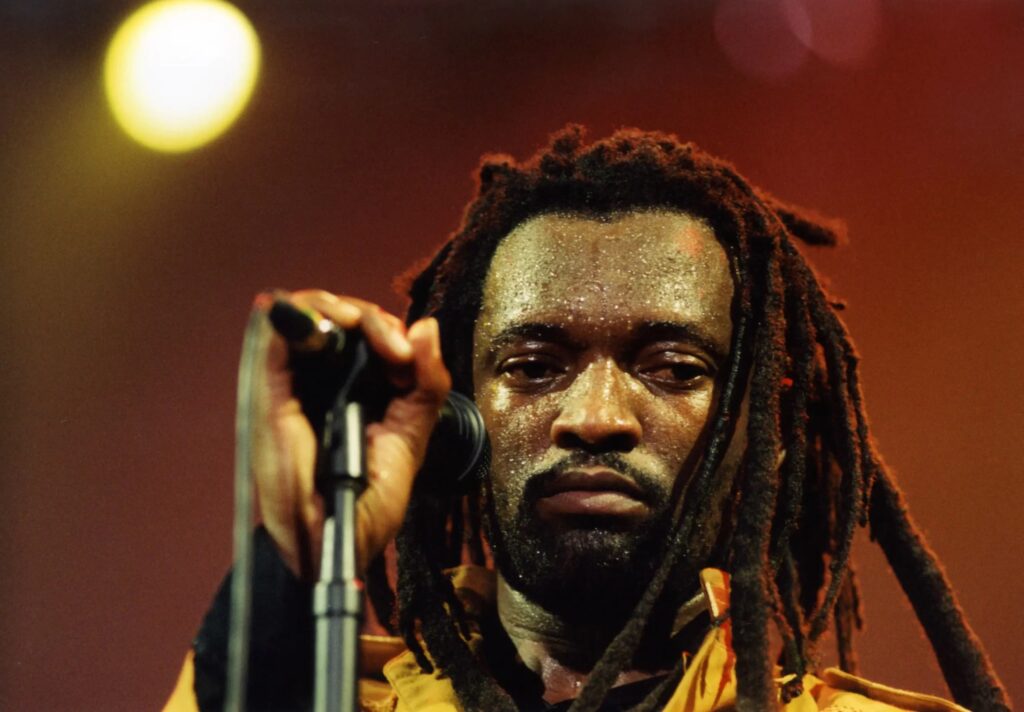
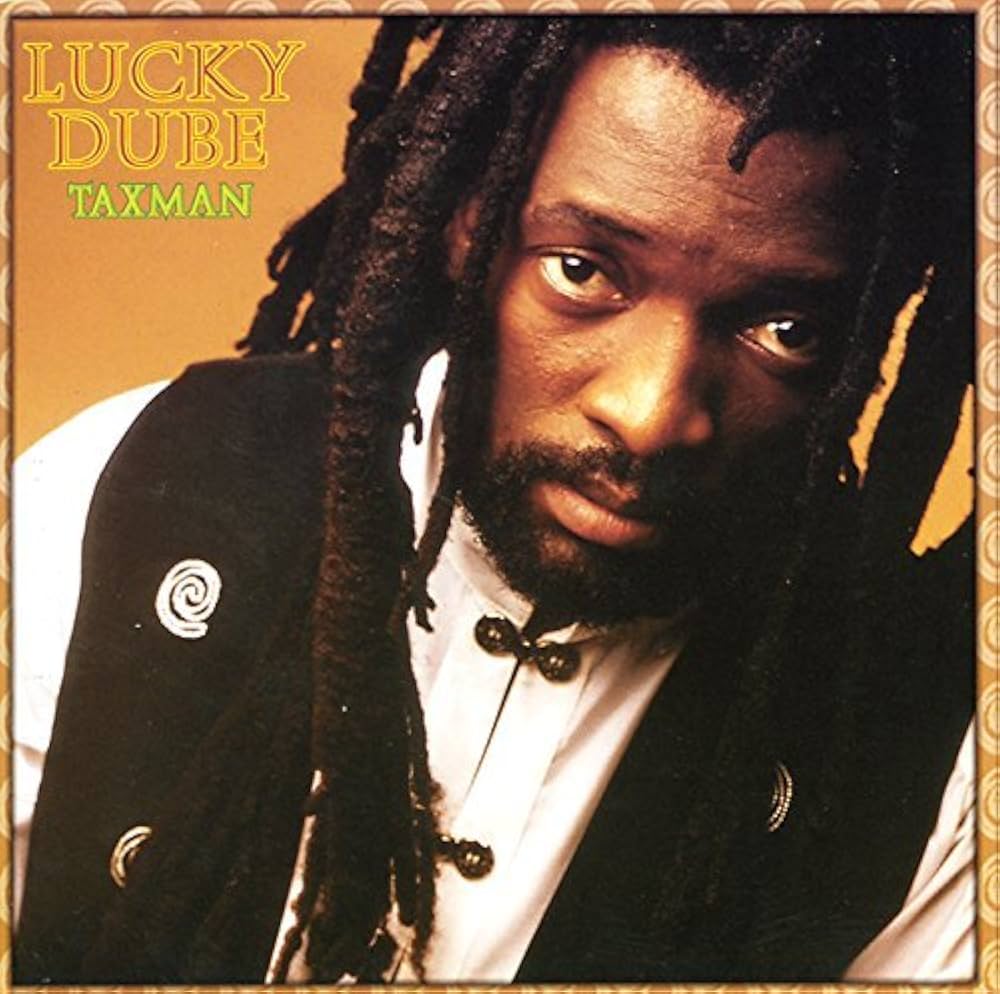
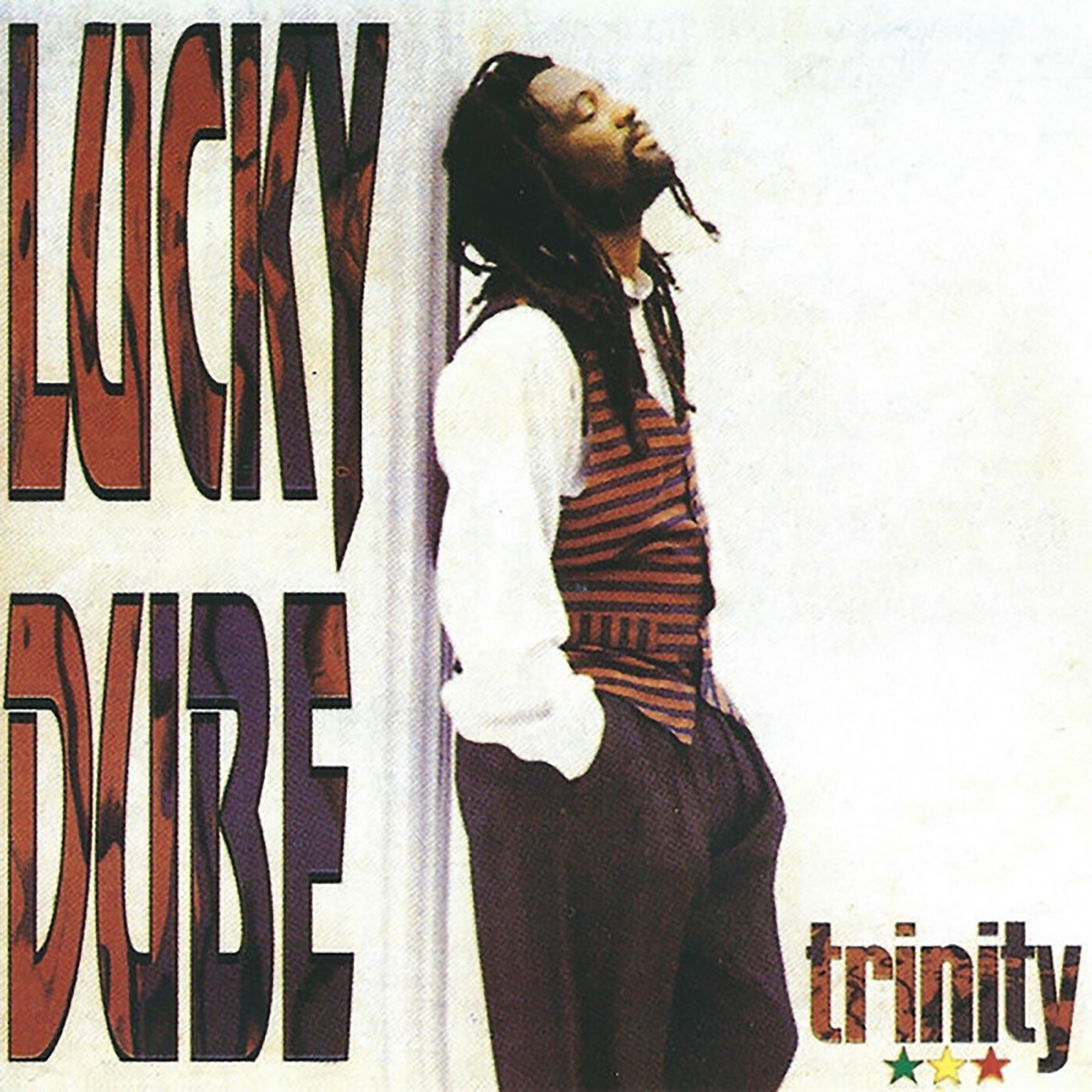
Lucky Dube (pronounced “Doobay”) is an iconic figure in South African reggae music. Born on 3 August 1964 in Ermelo, in the province of Mpumalanga, South Africa, he became one of the most famous reggae artists in his country and across the African continent. Lucky Dube sang mainly in English, which enabled him to reach an international audience.
Childhood and early career
Lucky Dube grew up in modest circumstances, raised by his mother. He developed an interest in music from a young age and joined a small school choir. As a teenager, he first turned to mbaqanga, a traditional South African style, and recorded several albums in this genre with his band, The Love Brothers.
Transition to reggae
Inspired by legends such as Bob Marley and Peter Tosh, Lucky Dube made the transition to reggae in the 1980s. This change marked a decisive turning point in his career. His lyrics tackled profound themes such as social injustice, apartheid and inequality, which resonated with a wide audience in South Africa and beyond.
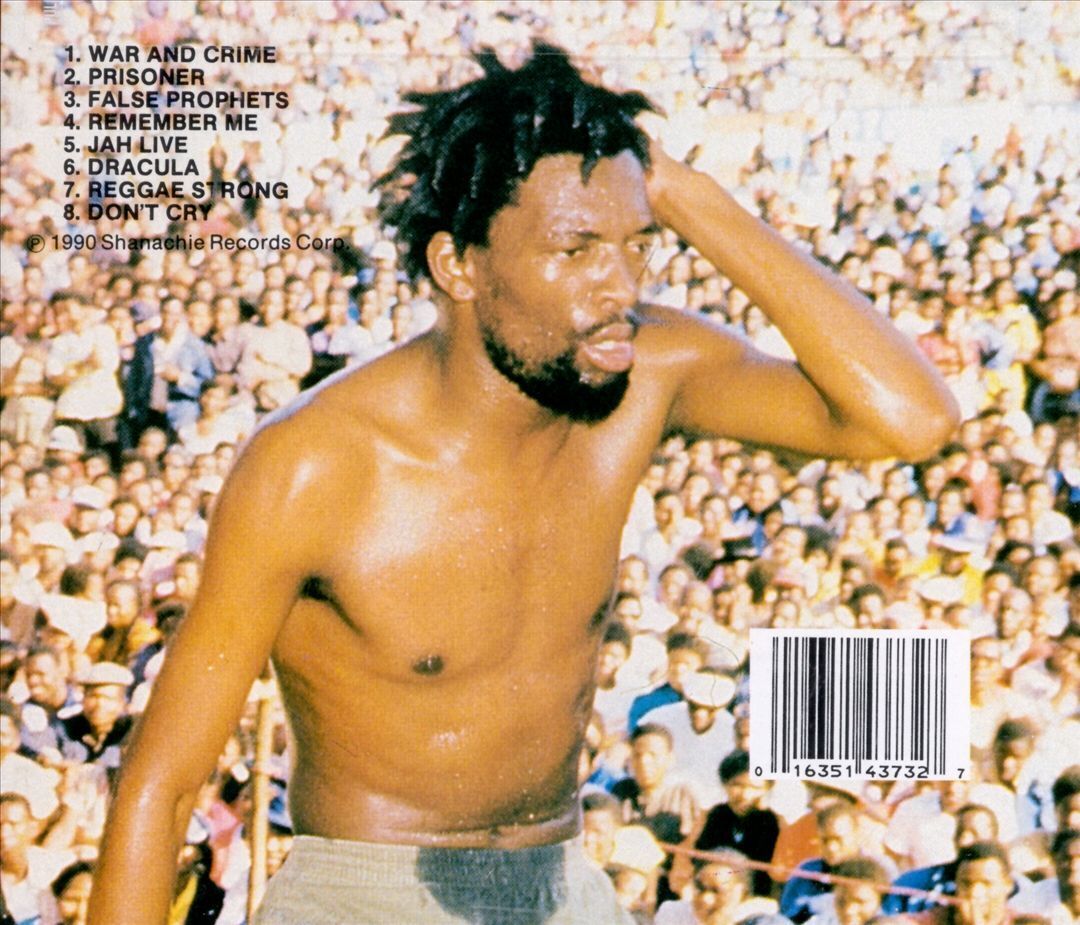
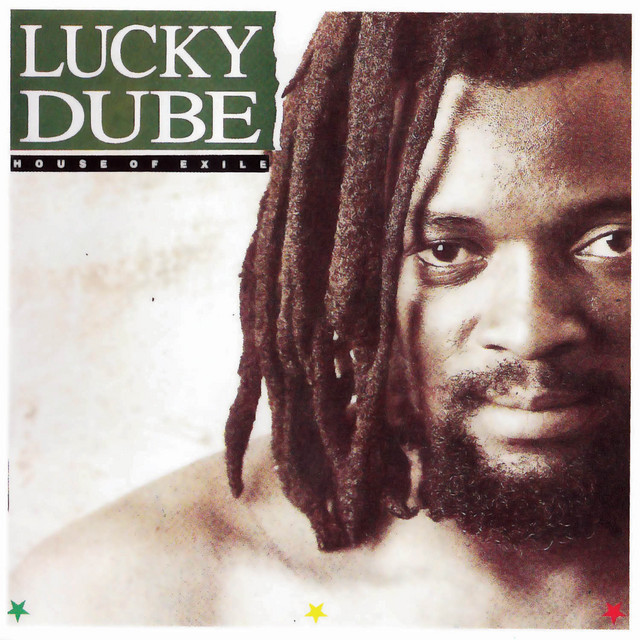
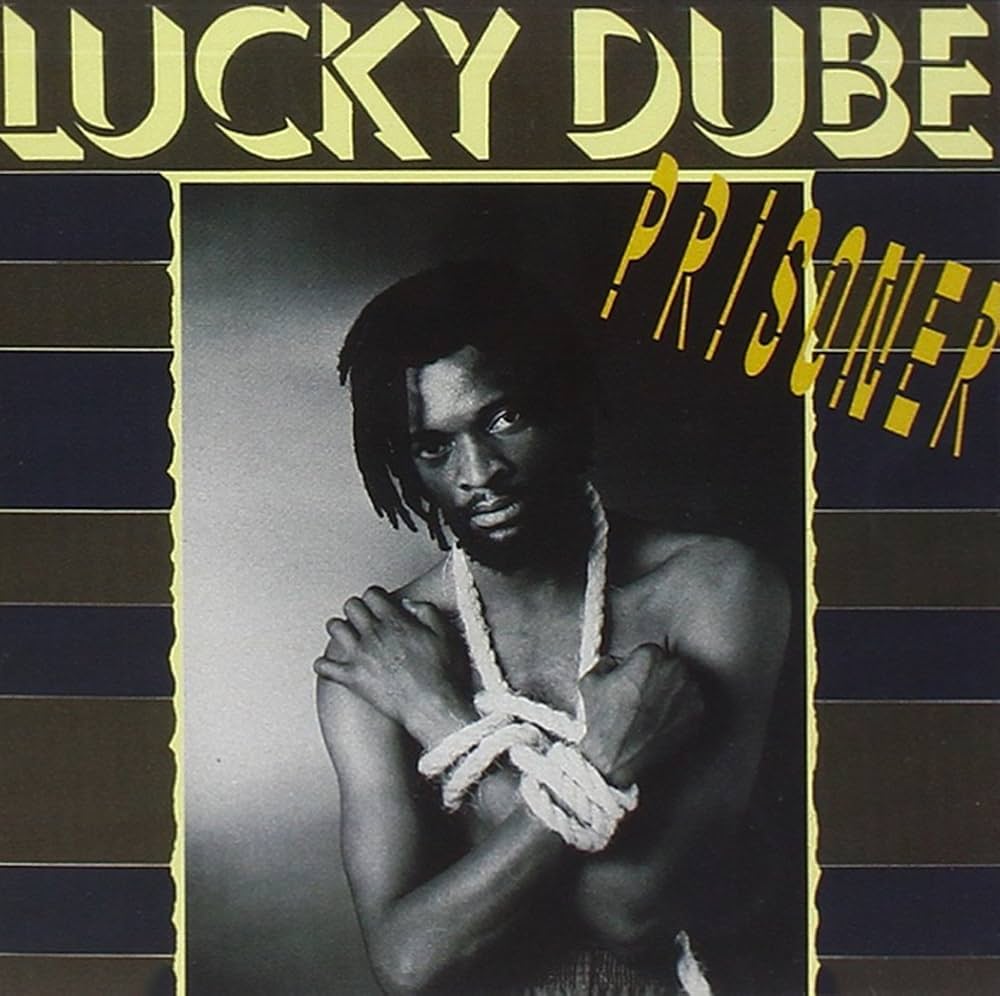
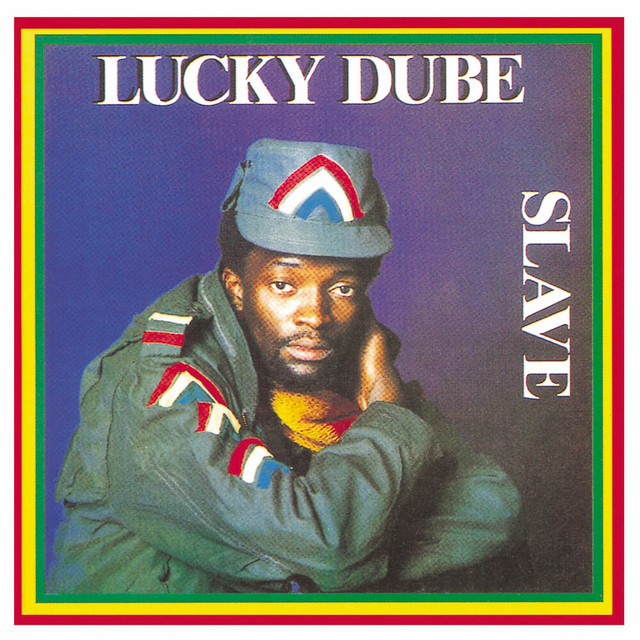
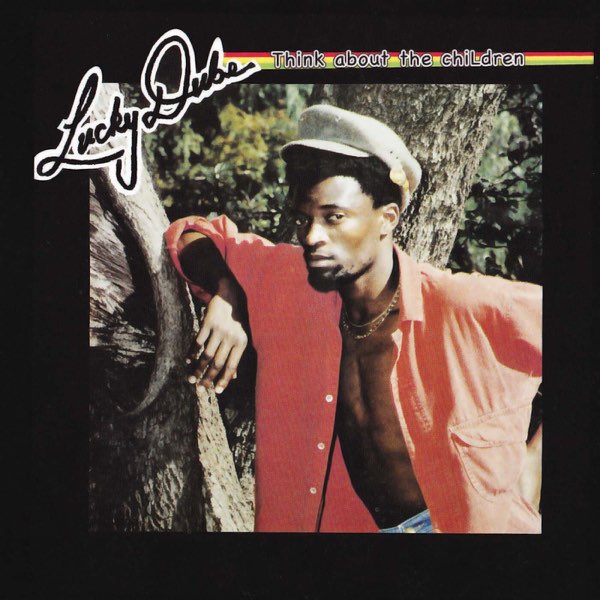
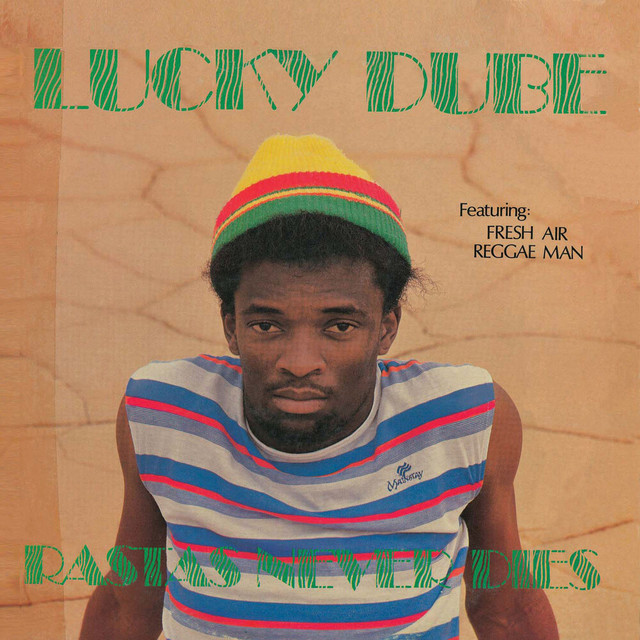
His first reggae album, *Rastas Never Die* (1984), was not a great commercial success, but his second album, *Think About the Children* (1985), marked the beginning of his rise to popularity. His subsequent albums, such as “Slave” (1987), “Prisoner” (1989) and “House of Exile” (1991), propelled him onto the international stage.
International success
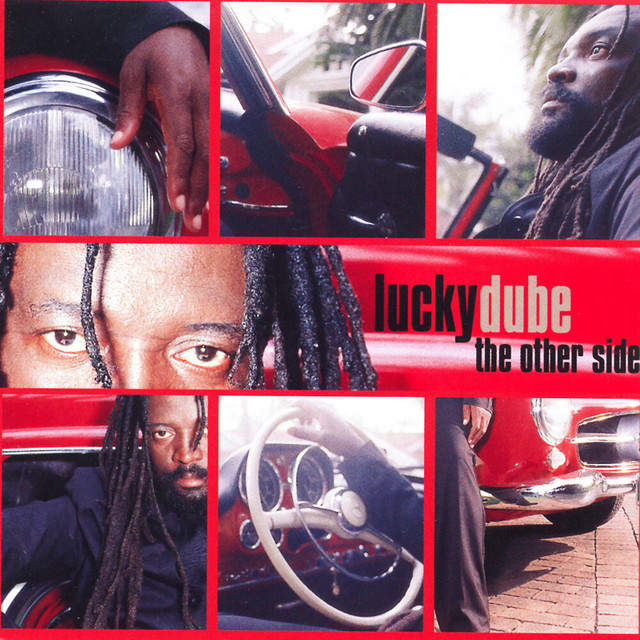
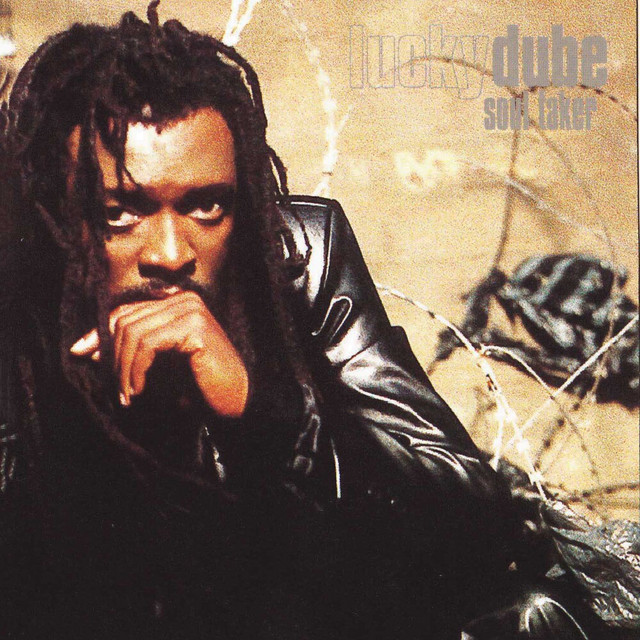
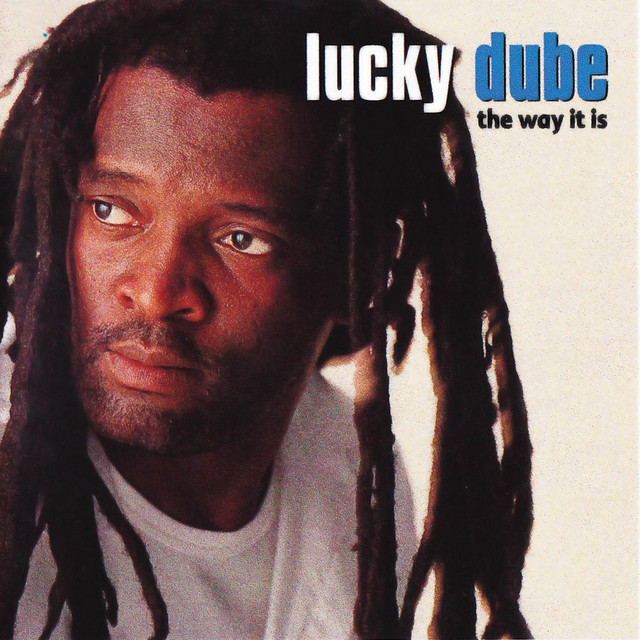
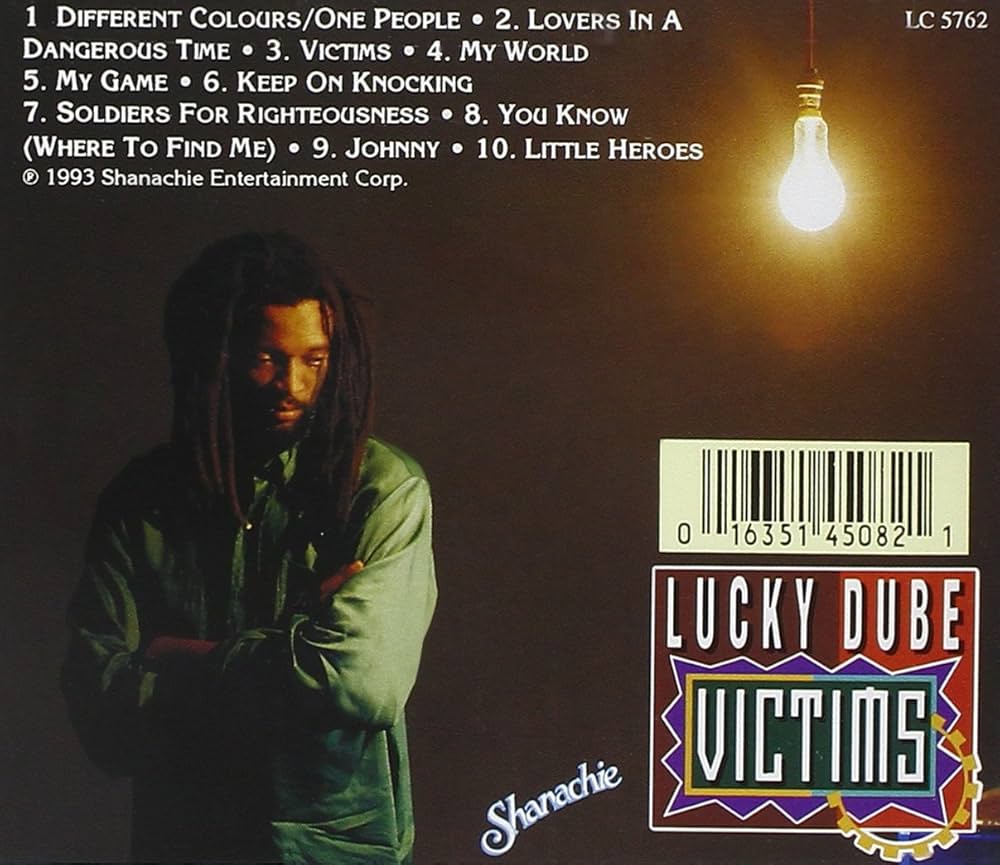
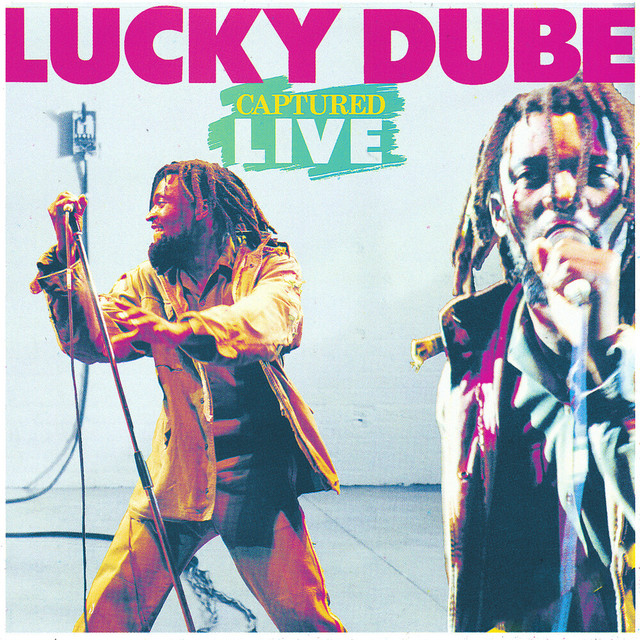
Lucky Dube toured all over the world, becoming a cultural ambassador for South Africa. His deeply committed music transcended cultural and linguistic boundaries. With more than 20 albums to his name, he received numerous awards for his work.
Personal life and legacy
Lucky Dube was known for his humility and his commitment to his community. Sadly, he was tragically murdered during an attempted carjacking in Johannesburg on 18 October 2007. His death came as a shock to millions of fans around the world.
His legacy lives on through his music, which continues to inspire new generations. Lucky Dube remains a reggae icon and a symbol of the struggle for justice and equality.
Discography