Biography
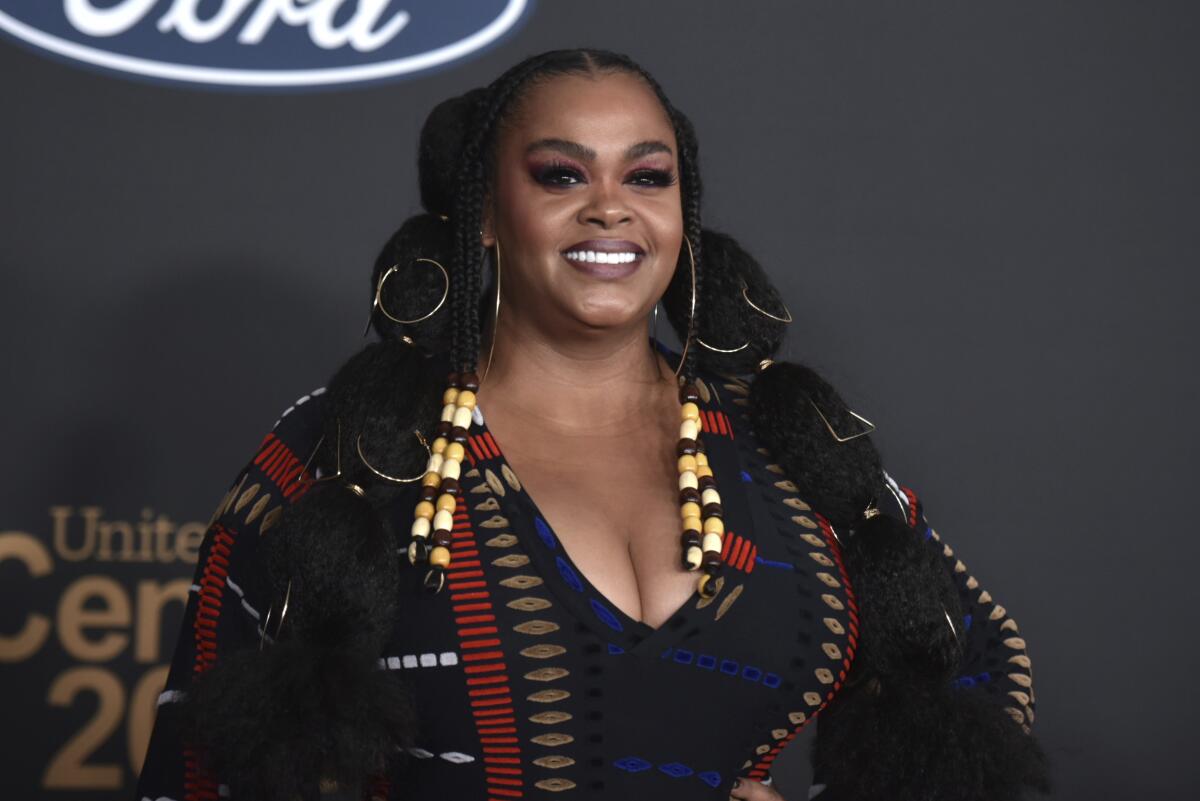
Jill Scott (born 4 April 1972 in Philadelphia, Pennsylvania) is an American singer, songwriter, actress and poet, renowned for her rich, soulful voice, her unique blend of R&B, soul, jazz and hip-hop, as well as her talents as a lyricist and performer. She is one of the most respected artists in the world of contemporary music, having influenced a new generation of artists with her distinctive style and themes of feminism, love and self-empowerment.
Musical beginnings and influences
Jill Scott grew up in Philadelphia in a family of modest means, and it was in that city that she discovered her passion for music. She began writing poetry at a very young age and was heavily influenced by artists such as Billie Holiday, Nina Simone and Stevie Wonder. Before embarking on a career in music, she studied at Temple University, where she graduated with a degree in English education and creative writing.
She began her musical career as a poet and performer, appearing at local clubs and events. Her first breakthrough in the music industry came when she was spotted by hip-hop producer Ahmir “Questlove” Thompson of The Roots. She collaborated with the group on their album *Things Fall Apart* (1999), which paved the way for her solo career.
Breakthrough with *Who Is Jill Scott? Words and Sounds Vol. 1* (2000)
Jill Scott made her debut as a solo artist with the album *Who Is Jill Scott? Words and Sounds Vol. 1* in 2000. The album was a huge critical and commercial success. The unique blend of soul, R&B, jazz and poetry, coupled with her powerful voice and profound lyrics, captured the public’s attention. Songs such as ‘Gettin’ In the Way’, ‘A Long Walk’ and The Way became instant classics, and the album was certified platinum.
The success of *Who Is Jill Scott?* established Jill Scott as a leading figure in the neo-soul movement, a genre that fuses traditional R&B with influences from jazz, soul and hip-hop. This album not only launched her musical career but also highlighted her talents as a writer and poet.
Musical evolution with *Beautifully Human: Words and Sounds Vol. 2* (2004)
In 2004, Jill Scott released her second album, *Beautifully Human: Words and Sounds Vol. 2*, which continued her musical exploration and artistic development. The album was well received, with tracks such as Golden and Cross My Mind continuing to celebrate her distinctive blend of soul, jazz and poetry. Golden, in particular, became an anthem of empowerment and self-confidence, reinforcing Jill Scott’s status as an icon of Black music and culture.
The album was a commercial success and cemented her place in the music world, particularly within the realm of modern R&B and neo-soul.
Continued success with *The Real Thing: Words and Sounds Vol. 3* (2007) and *Light of the Sun* (2011)
Jill Scott continued to evolve with the release of her third album, *The Real Thing: Words and Sounds Vol. 3*, in 2007. This album marked an evolution in her sound, incorporating more modern elements whilst remaining true to her unique style. Tracks such as Hate on Me and When I Wake Up proved particularly popular.
In 2011, she released *Light of the Sun*, an album that was critically acclaimed and well received by the public. This project explored more personal themes, including relationships, inner struggles and the quest for inner peace. Songs such as So In Love and Shame continued to reinforce her image as a committed artist and a strong woman.
Film and television career
As well as her musical career, Jill Scott has also made a name for herself as an actress. She has appeared in several films and television series, notably *Why Did I Get Married?* (2007) and its sequel *Why Did I Get Married Too?* (2010), directed by Tyler Perry. She also starred in the television series *The No. 1 Ladies’ Detective Agency* (2008), in which she played the lead role of Precious Ramotswe, a character based on the novels by Alexander McCall Smith.
Scott has also taken part in other film and television projects, and her acting talent has been praised for her ability to portray deep and multi-dimensional roles.
Musical style and influences
Jill Scott is often associated with the neo-soul movement, a musical genre that emerged in the late 1990s and combines elements of soul, jazz, R&B and hip-hop. Her music is characterised by sophisticated musical arrangements, a rich and expressive voice, and introspective, poetic lyrics.
Her influences are diverse and include classic soul artists such as Aretha Franklin, Nina Simone and Stevie Wonder, as well as contemporary artists such as Lauryn Hill and D’Angelo. She has also been influenced by poetry and literature, which is reflected in her lyrical writing and stage performances.
Personal and social commitment
Jill Scott has always been an advocate for the rights of women, the Black community and marginalised groups. She speaks openly about her personal experiences and struggles as a Black woman in the music industry, whilst supporting social causes relating to education, social justice and gender equality. Her music serves as a means of sharing messages of empowerment, self-confidence and dignity, particularly for Black women.
She also supports charitable initiatives, notably in the fields of education and opportunities for disadvantaged young people.
Awards and recognition
Jill Scott has won numerous awards throughout her career, including several Grammy Awards. Her album *Who Is Jill Scott?* was critically acclaimed and marked her entry into the pantheon of the greatest artists in contemporary soul music. She has also been honoured by numerous publications for her influence on Black music and culture, and is an iconic figure in the neo-soul movement.
Jill Scott is one of the most important and influential voices in contemporary soul and R&B music. With her unique blend of poetry, soul, jazz and modern music, she continues to inspire her listeners with songs that celebrate love, empowerment and resilience. As an artist, actress and activist, Jill Scott embodies the essence of creativity, passion and social commitment.