
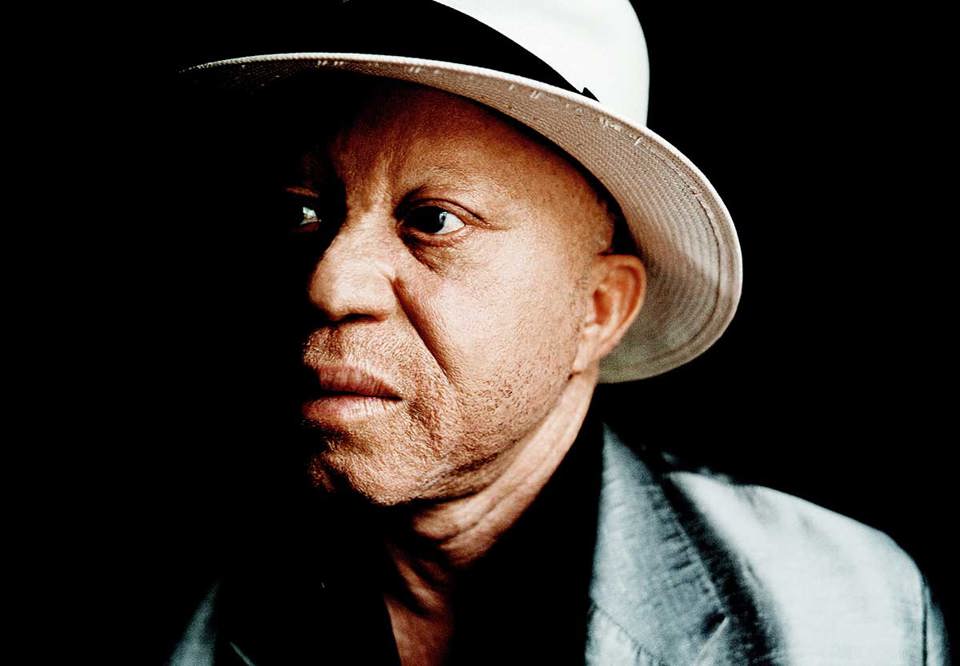
Biography
Salif Keita, known as the ‘Golden Voice of Africa’, is an internationally renowned Malian singer and musician. Born on 25 August 1949 in Djoliba, a village near Bamako in Mali, he is known for his powerful voice and his role in promoting traditional African music around the world. Born with albinism, Salif Keita has overcome numerous obstacles to become a living legend of music.
Childhood and early career
Salif Keita was born into a noble family descended from Emperor Soundiata Keïta, founder of the Mali Empire in the 13th century. However, due to his albinism, which is considered a sign of bad luck in certain African traditions, he faced discrimination from a young age. Despite these challenges, he developed a passion for music, even though this path was frowned upon for someone of his social standing. Against his family’s wishes, he decided to pursue a career in music.Early career
In the 1960s, Salif Keita moved to Bamako, where he joined the Rail Band of Bamako, a popular music group that performed in hotels and prestigious venues. His unique voice attracted attention, and he quickly became a central figure in the band. In 1973, he left the Rail Band to join Les Ambassadeurs, another influential band, with whom he gained national and international recognition.Solo career
In 1984, Salif Keita embarked on a solo career and moved to Paris, where he recorded his first album, *Soro* (1987). This groundbreaking album combined traditional African sounds with modern influences such as jazz, funk and pop, marking a turning point in his career.Notable albums
- “Soro” (1987): A critical and commercial success that propelled him onto the international stage.
- "Ko-Yan" (1989): Which explores social and political themes.
- "Amen" (1991): Produced by Joe Zawinul, this album received a Grammy Award nomination.
- "Moffou" (2002): Hailed as one of his finest albums, it marked a return to acoustic sounds.
- "La Différence" (2009): A poignant tribute to people with albinism, the album won the award for Best World Music at the Victoires de la musique.
Musical style
Salif Keita is known for his ability to fuse a variety of musical genres whilst remaining rooted in Mandinka traditions. His music incorporates traditional instruments such as the balafon, the kora and the n’goni, as well as modern instruments such as the electric guitar and keyboards. His lyrics tackle universal themes such as love, justice, identity and the rights of people with albinism.Awards
Throughout his career, Salif Keita has received numerous awards and honours for his contribution to music, including:- A Grammy Award nomination,
- The Victoires de la Musique,
- The Lifetime Achievement Award at the African Music Awards.