
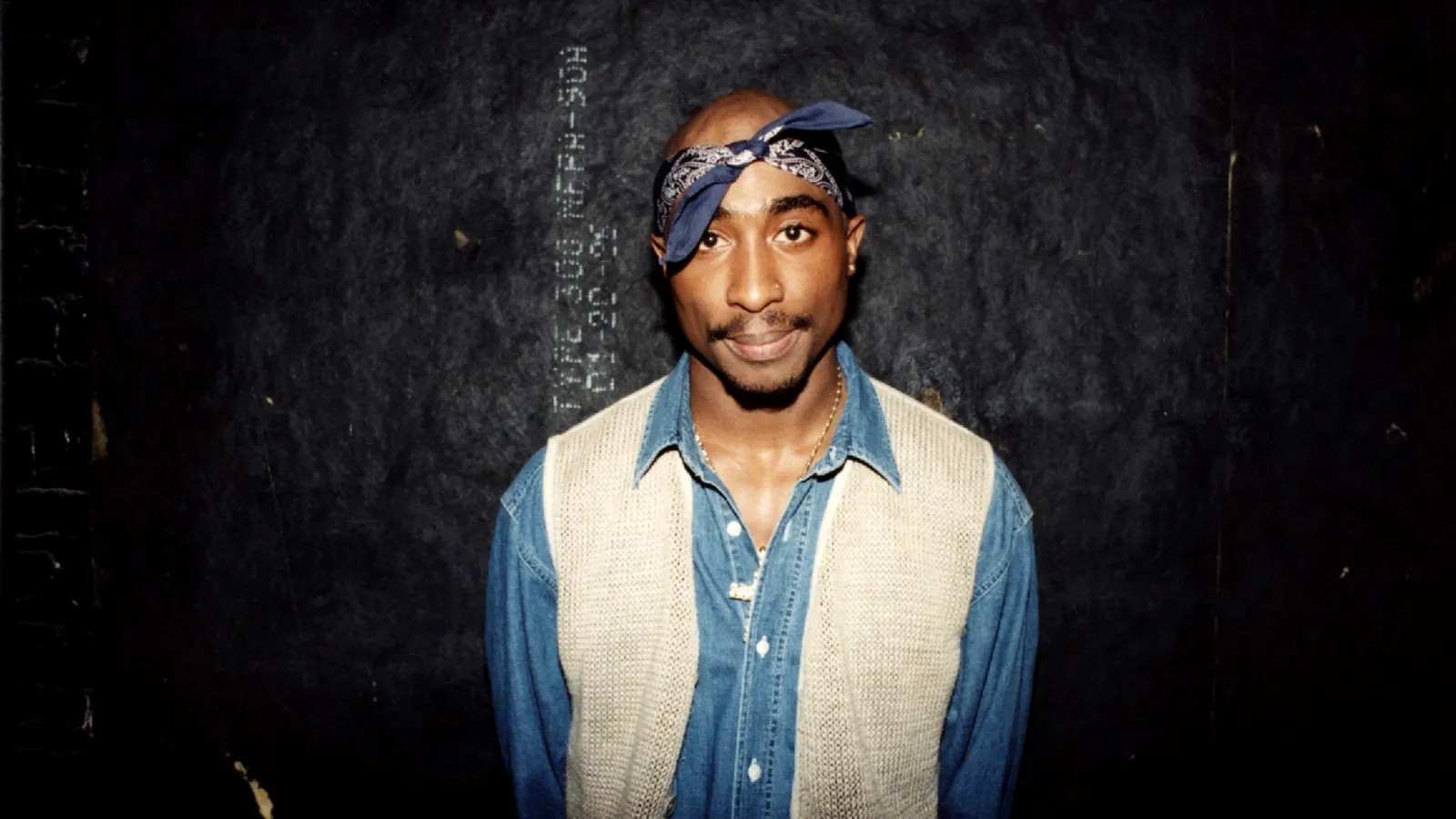
Biography
Tupac Shakur, also known as 2Pac, is one of the most iconic and influential rappers in the history of hip-hop. Known for his powerful lyrics, his political stances and his unrivalled charisma, Tupac has become a rap legend, and his legacy remains deeply rooted in global music culture.
Full name: Tupac Amaru Shakur
Date of birth: 16 June 1971
Date of death: 13 September 1996 (aged 25)
Place of birth: East Harlem, New York, United States
Childhood and early life
Tupac Shakur was born in East Harlem, New York, but grew up in Baltimore, Maryland. His mother, Afeni Shakur, was a Black Panther activist, which had a major influence on his political and social ideals. The name ‘Tupac Amaru’ comes from a Peruvian indigenous leader, and ‘Shakur’ means ‘grateful’ in Arabic. From a very early age, Tupac was exposed to militant African-American culture and music, particularly hip-hop, jazz and poetry. From his teenage years, he showed a great aptitude for the arts, particularly dance, theatre and poetry. He attended the Baltimore School for the Arts, where he met figures such as Jada Pinkett (who would become a close friend). In 1990, Tupac moved to Oakland, California, where he began to make a name for himself in the rap world as a member of the group Digital Underground. He started out appearing as a dancer and backing rapper before releasing his own material.Breakthrough with *2Pacalypse Now* (1991)
In 1991, Tupac released his first solo album, 2Pacalypse Now, a raw and daring project that tackled subjects such as police brutality, poverty and social injustice. The single Brenda’s Got a Baby, which tells the story of a pregnant teenager from a difficult background, attracted the attention of the media and the public. The album was controversial, particularly due to the track Keep Ya Head Up, which addresses issues relating to the status of women, and Trapped, which criticises police violence. This debut album established Tupac as a powerful voice in rap, capable of blending personal narratives with hard-hitting social commentary. However, he also attracted attention for his bold stances and his tendency to defy authority.Success with *Me Against the World* (1995)
His second album, *Me Against the World* (1995), is a true masterpiece and one of the most acclaimed albums of his career. This album marked a turning point in Tupac’s career, featuring tracks such as Dear Mama, which pays tribute to his mother, and So Many Tears, which explores Tupac’s inner struggles. The album is also notable for having been released whilst Tupac was in prison on a rape charge, an event that received widespread media coverage. Despite this ordeal, *Me Against the World* was a huge commercial success and cemented Tupac’s reputation as one of the most influential rappers of his time.The Death Row era and *All Eyez on Me* (1996)
In 1996, Tupac joined the Death Row Records label, run by Dr. Dre and Suge Knight, a pivotal moment in his career. He then released the album *All Eyez on Me*, which went on to become one of the most significant and influential albums in rap. The double album features hits such as ‘California Love’, ‘How Do U Want It’ and ‘2 of Amerikaz Most Wanted’. It was one of the first albums to be certified platinum in a single week, and represents the peak of Tupac’s commercial success. *All Eyez on Me* is an iconic album, exploring themes of self-destruction, fame, violence and survival. On this album, Tupac adopted a more celebratory and commercial approach, yet his lyrics remained powerful and personal, revealing the contradictions within his personality.Rivalries and mounting tension
The late 1990s saw Tupac at the centre of one of the greatest rivalries in hip-hop history, with The Notorious B.I.G. and the Bad Boy Records label. This conflict, known as the East Coast versus West Coast war, became one of the most widely publicised stories in rap. Tensions between Tupac and Biggie culminated in a series of attacks on Tupac, including a shooting in 1994 at Quad Recording Studios in New York, which left Tupac seriously injured. Tupac accused Biggie and other members of the Bad Boy label of being involved in the shooting, further exacerbating tensions between the two camps. These events fuelled a war of words that marred the hip-hop scene at the time.Assassination and legacy
On 7 September 1996, Tupac Shakur was shot dead in Las Vegas in a shooting that shocked the world. He was 25 years old. His death was shrouded in mystery and controversy, and the circumstances remain largely unexplained. Numerous theories circulate, with some suggesting it was an act of revenge linked to his rivalry with Biggie, whilst others point to more complex reasons involving internal conflicts and street-related affairs. His death marked the tragic end of one of rap’s most iconic figures, but his legacy lives on. Tupac remains an icon of music and popular culture, and his lyrics continue to influence many artists and resonate in discussions about violence, race and social inequality.Musical style and impact
Tupac was a master of lyrics, capable of tackling a wide range of subjects with an emotional depth and clarity that touched millions of people. His flow was both aggressive and melodious, and his songs blended messages of social resistance, personal pain and redemption. He was also a politically engaged artist, speaking openly about the issues facing African Americans. Tupac was a pioneer in using rap as a means of education and protest. He changed the way rap was perceived, elevating the genre to a level of social consciousness and reflection.Major albums
- 2Pacalypse Now (1991)
- Me Against the World (1995)
- All Eyez on Me (1996)
- The Don Killuminati: The 7 Day Theory (1996) (under the name Makaveli)